Ćwiczenie 1: Wybierz właściwy czas przyszły
Uzupełnij luki czasownikiem w Future Perfect Simple lub Future Perfect Continuous.
Future Perfect Simple & Continuous
Future Perfect (will have done) i Future Perfect Continuous (will have been doing): by, by the time, until, for. Kiedy ich używać, typowe błędy i ćwiczenia.
W skrócie
Future Perfect Simple (will have + III forma) mówi, że coś będzie już zakończone przed określonym momentem w przyszłości: By June I'll have finished my thesis. Future Perfect Continuous (will have been + -ing) podkreśla, jak długo coś będzie trwało do tego momentu: In May I'll have been working here for ten years.
| Forma | Budowa | Przykład |
|---|---|---|
| twierdzenie | podmiot + will have ('ll have) + III forma | I'll have finished by Friday. |
| przeczenie | podmiot + won't have + III forma | They won't have arrived by then. |
| pytanie | Will + podmiot + have + III forma? | Will you have read it by tomorrow? |
| Forma | Budowa | Przykład |
|---|---|---|
| twierdzenie | podmiot + will have been + -ing | By 2030 we'll have been living here for 20 years. |
| przeczenie | podmiot + won't have been + -ing | She won't have been working long enough to get a bonus. |
| pytanie | Will + podmiot + have been + -ing? | How long will you have been studying by then? |
Wyobrażasz sobie punkt w przyszłości i patrzysz z niego wstecz: co będzie już zrobione. Kluczowe słowo to by (do, najpóźniej do) i by the time (zanim, do czasu, gdy).
Ta forma podkreśla czas trwania czynności liczony do pewnego momentu w przyszłości. Zwykle występuje z for + okres i określeniem tego momentu (by, in, next…). W codziennej mowie jest dość rzadka.
| Future Perfect Simple | Future Perfect Continuous |
|---|---|
| rezultat, ukończenie, liczba | czas trwania czynności |
| By June I'll have written ten chapters. | By June I'll have been writing this book for two years. |
| także z czasownikami statycznymi: By May we'll have known each other for ten years. | nie z czasownikami statycznymi |
Po spójnikach czasu (when, by the time, as soon as, after) zamiast Future Perfect używa się Present Perfect: I'll call you when I have finished., zobacz Zdania czasowe: when, as soon as, until, before + czas teraźniejszy.
Will have + III forma może też wyrażać przekonanie, że coś już się stało (podobnie jak must have). To użycie spotkasz głównie w brytyjskim angielskim.
Uzupełnij luki czasownikiem w Future Perfect Simple lub Future Perfect Continuous.
Dokończ drugie zdanie tak, by miało to samo znaczenie. Użyj słowa w nawiasie.
Uzupełnij luki formą Future Perfect Simple albo Future Perfect Continuous (albo innym właściwym czasem) czasownika w nawiasie.
Gramatyka z ekranu to dobry start. Na bezpłatnej konsultacji ustalimy Twój cel i plan lekcji 1:1.
Spotkanie online przez Google Meet · Bez oceniania, bez testu gramatyki, bez zobowiązań.
…i nie tylko angielski
Ta sama metoda: dużo mówienia, tematy z Twojego życia i nauczyciel, który pamięta, o czym rozmawialiście tydzień temu. Pierwsza rozmowa jest za darmo.

angielski A1–C1 Założyciel
Lektor angielskiego, twórca LingoLogy
Uczę dorosłych, którzy rozumieją angielski, ale milkną, kiedy trzeba coś powiedzieć na głos. Pracujemy nad mówieniem, stresem w rozmowie i planem nauki między lekcjami.
90 zł / 60 min
Przyjmuje nowych uczniów
Poznaj Kubę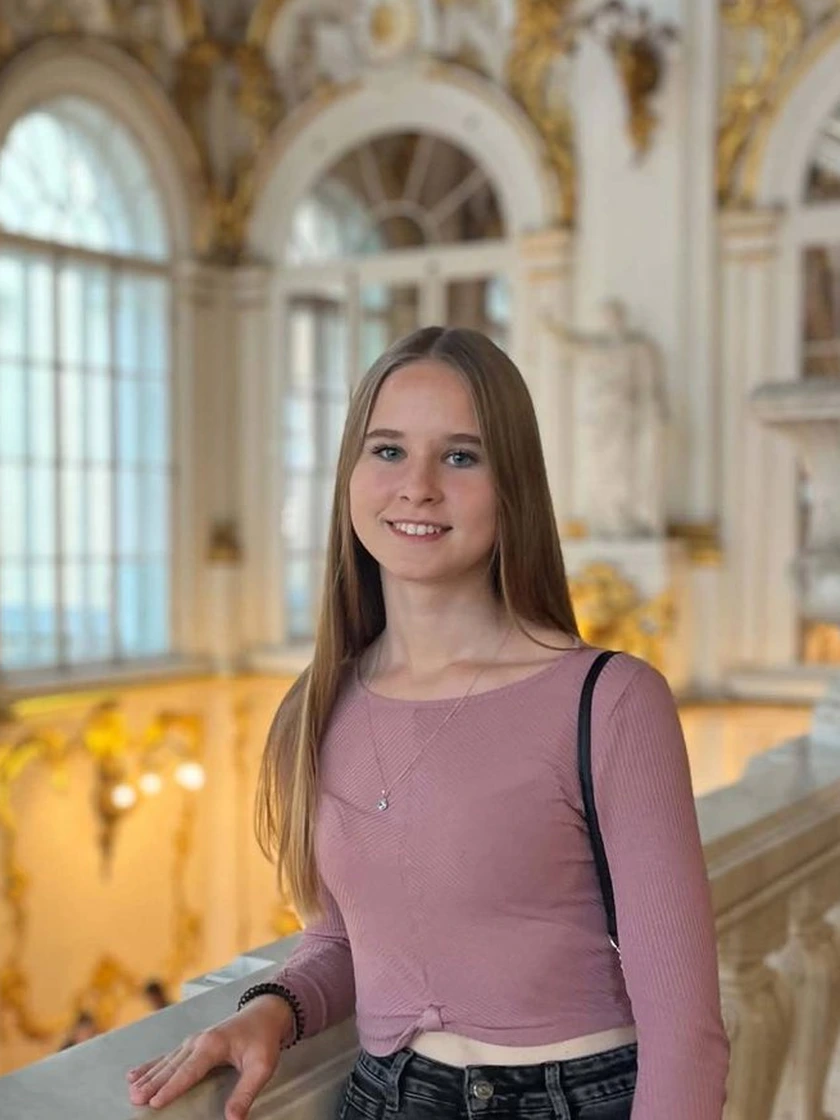
francuski A1–C1
Lektorka francuskiego
Francuski to moja pasja od ponad 10 lat. Mam DELF B2 i DALF C1 oraz doświadczenie jako korepetytorka z uczniami na różnych poziomach. Uczę w swobodnej atmosferze, bez stresu, pod Twój cel: rozmowa, gramatyka, słownictwo albo egzamin DELF.
90 zł / 60 min
Przyjmuje nowych uczniów
Poznaj Sofię
niemiecki · angielski A1–C1
Lektorka niemieckiego i angielskiego
Skończyłam filologię germańską z angielskim oraz psychologię rozwoju dzieci i młodzieży. Od 8 lat uczę prywatnie niemieckiego i angielskiego, od 3 lat także w szkole językowej: dzieci, młodzież i dorosłych. Mam doświadczenie z osobami, którym nauka przychodzi trudniej.
120 zł / 60 min
Przyjmuje nowych uczniów
Poznaj Justynę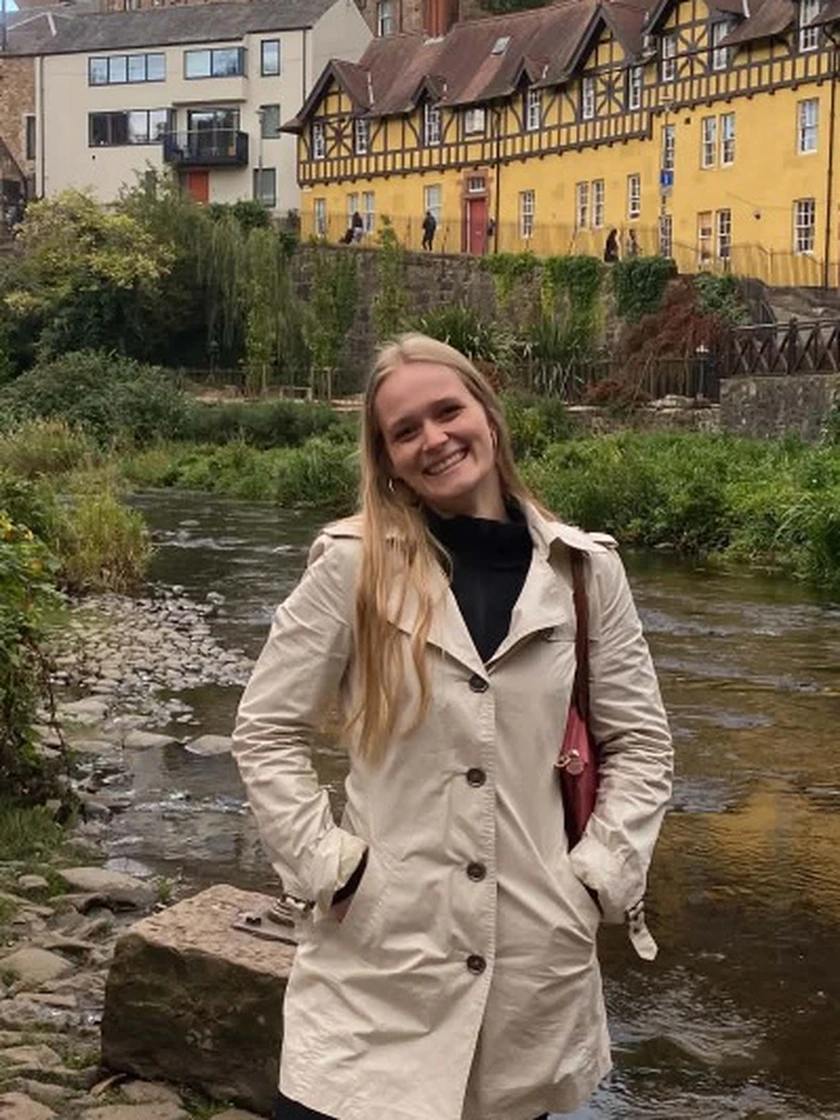
niemiecki · angielski A1–C2 Native DE
Lektorka niemieckiego i angielskiego
Uczę niemieckiego i angielskiego bez stresu i presji — od podstaw do pełnej swobody w rozmowie.
120 zł (DE) · 90 zł (EN)
Przyjmuje nowych uczniów
Poznaj Carolin20-minutowa bezpłatna rozmowa online. Sprawdźmy, co Cię blokuje i jak możesz zacząć mówić bez stresu.